- I. Introduction: Prioritize Nutrient Density
- A. Importance of Nutrient-Dense Foods
- B. Identifying Nutrient-Dense Foods
- C. Incorporating Nutrient-Dense Foods into Your Diet
- II. Understanding Nutrient Density
- A. What is Nutrient Density?
- B. Why is Nutrient Density Important?
- C. How to Prioritize Nutrient Density?
- III. The Role of Nutrient Density in Overall Health
- The Importance of Nutrient-Dense Foods
- Identifying Nutrient-Dense Foods
- Incorporating Nutrient-Dense Foods into Your Diet
- Conclusion
- IV. How to Identify Nutrient Dense Foods
- A. Understand the Nutrient Density Concept
- B. Reading Nutrition Labels
- C. Choose Whole, Unprocessed Foods
- V. Tips to Increase Nutrient Density in Your Diet
- 1. Choose Whole Foods Over Processed Foods
- 2. Include a Variety of Foods in Your Diet
- 3. Cook at Home More Often
- VI. Common Misconceptions About Nutrient Density
- Misconception 1: All Calories are Equal
- Misconception 2: Nutrient Density is Hard to Measure
- Misconception 3: Nutrient-dense Foods are Expensive
- VII. Practical Ways to Prioritize Nutrient Density Every Day
- 1. Choosing Whole Foods over Processed Foods
- 2. Incorporating a Variety of Foods
- 3. Mindful Eating and Portion Control
- VIII. Challenges in Maintaining a Nutrient-dense Diet and How to Overcome Them
- 1. Understanding Nutrient Density
- 2. Limited Access to Fresh, Nutrient-dense Foods
- 3. Time Constraints
- IX. Conclusion: Prioritize Nutrient Density
- 1. Understanding the Importance of Nutrient Density
- 2. Incorporating Nutrient-Dense Foods into Your Diet
- 3. The Role of Nutrient Density in Weight Management
- Conclusion
Nutrition is a fascinating, ever-evolving field that continues to unravel the complexities of our relationship with food. Amid the cacophony of diet trends and miracle foods, one concept has remained consistently paramount: nutrient density. But what does it mean, and why should it be at the forefront of our nutritional consciousness? This blog post is designed to delve into the intricacies of nutrient density, illuminating its crucial role in overall health and wellness. We’ll guide you on how to identify foods rich in nutrients and share practical tips to enhance the nutritional quality of your meals. Furthermore, we’ll dismantle common misconceptions about nutrient density, providing you with a clear, factual understanding. We’ll also discuss the everyday challenges you might face while maintaining a nutrient-dense diet and offer strategies to overcome them. By the end of this post, you’ll be equipped with the knowledge and tools to effectively prioritize nutrient density in your diet, paving the way to a healthier lifestyle. So, are you ready to embark on this journey towards a more nutritious, vibrant life? Let’s dive in!
I. Introduction: Prioritize Nutrient Density
In the vast landscape of nutrition, nutrient density has emerged as an essential concept for maintaining optimal health and wellness. By prioritizing nutrient-dense foods, you can fuel your body with the vital vitamins, minerals, and other nutrients it needs to function at its best.
This section will delve into the importance of nutrient-dense foods, how to identify them, and ways to incorporate them into your daily diet.
A. Importance of Nutrient-Dense Foods
Nutrient-dense foods, packed with essential vitamins, minerals, fiber, and other health-promoting substances, play a crucial role in supporting overall health and wellbeing.
- Weight management: Nutrient-dense foods are typically lower in calories but high in fiber and protein, helping to keep you satiated for longer and aiding in weight management.
- Disease prevention: A diet rich in nutrient-dense foods can help to lower the risk of chronic diseases like heart disease, diabetes, and certain types of cancer.
- Optimal function: Consuming nutrient-dense foods ensures your body gets the right balance of nutrients it needs to function correctly.
B. Identifying Nutrient-Dense Foods
One way to identify nutrient-dense foods is by using the Nutrient Rich Foods Index (NRFI). The NRFI measures the amount of key nutrients per calorie in a food. Foods with a high NRFI score are considered nutrient-dense.
However, you don’t need a calculator to identify nutrient-dense foods. Here are some general characteristics:
- They are unprocessed or minimally processed.
- They are naturally low in fat and calories.
- They are rich in vitamins, minerals, and fiber.
Examples of nutrient-dense foods include fruits and vegetables, whole grains, lean proteins, and low-fat dairy products.
C. Incorporating Nutrient-Dense Foods into Your Diet
Incorporating nutrient-dense foods into your diet can be simple and delicious. Here are some tips:
- Start with breakfast: Opt for a nutrient-dense breakfast to start your day on a healthy note. Try whole grain cereal with berries, or an omelette with spinach and tomatoes.
- Make smart swaps: Replace refined grains with whole grains, choose lean proteins over fatty cuts of meat, and opt for low-fat dairy products.
- Add more fruits and vegetables: Aim to fill half your plate with fruits and vegetables at each meal. They are high in nutrients, low in calories, and add color and variety to your meals.
By prioritizing nutrient density, you’re not only providing your body with the essential nutrients it needs, but you’re also likely to feel more satisfied and energized throughout the day. Remember, it’s not about depriving yourself, but about making healthier choices that support your overall wellbeing.
II. Understanding Nutrient Density
Nutrient density is a concept that’s central to building a healthy diet and lifestyle. It’s about making the most of each calorie you consume. Nutrient-dense foods are rich in vitamins, minerals, fiber, lean protein, and healthy fats, while low in calories, added sugars, and unhealthy fats. Understanding nutrient density can help you make healthier, more informed choices about what to eat and drink.
A. What is Nutrient Density?
Nutrient density refers to the amount of beneficial nutrients a food provides compared to its calorie content. Foods with a high nutrient density are packed with vital nutrients, but relatively low in calories. These foods are often whole, unprocessed, and naturally low in fat.
For example, fruits, vegetables, whole grains, lean meats, and low-fat dairy products are typically high in nutrient density. On the other hand, foods like cookies, chips, and sodas are low in nutrient density. They provide a lot of calories but very few nutrients.
- High nutrient density foods are whole, unprocessed foods rich in essential nutrients like:
- Vitamins and minerals
- Fiber
- Lean protein
- Healthy fats
- Low nutrient density foods are often processed, with many added sugars, unhealthy fats, and little nutritional value.
B. Why is Nutrient Density Important?
Emphasizing nutrient-dense foods in your diet can help you get the most nutritional bang for your buck. Instead of filling up on empty calories, you’re nourishing your body with the nutrients it needs to function optimally.
- Weight Management: Nutrient-dense foods are typically lower in calories and higher in fiber, which can help you feel fuller for longer and reduce overeating.
- Health Protection: Nutrient-dense foods provide necessary vitamins and minerals that can protect against diseases, including heart disease, diabetes, and certain types of cancer.
- Energy Levels: Nutrient-dense foods provide a steady source of energy, helping you avoid the crashes associated with sugary, low-nutrient foods.
C. How to Prioritize Nutrient Density?
When it comes to prioritizing nutrient density, it’s not about eliminating foods, but about making more informed decisions. Here are some tips to help you get started:
- Choose Whole Foods: These are typically more nutrient-dense than processed foods. Go for fresh fruits and vegetables, whole grains, lean proteins, and healthy fats.
- Read the Labels: Check the nutritional content and ingredients list. Look for foods that are high in nutrients and low in added sugars and unhealthy fats.
- Prepare Meals at Home: This gives you control over the ingredients and portion sizes, allowing you to increase the nutrient density of your meals.
- Eat a Variety of Foods: Different foods provide different nutrients, so eating a wide variety can help ensure you’re getting a good mix.
Remember, understanding and prioritizing nutrient density is an important step towards a healthier diet and lifestyle. It’s not about counting calories or restricting food groups, but about choosing foods that offer the most nutritional benefits for their caloric value.
III. The Role of Nutrient Density in Overall Health
Nutrient density is a concept that has gained considerable attention in the health and wellness industry in recent years. As a measure of the amount of nutrients a food provides compared to its calorie content, nutrient density plays a pivotal role in maintaining overall health.
### The Importance of Nutrient-Dense Foods
Nutrient-dense foods are typically rich in vitamins, minerals, complex carbohydrates, lean protein, and healthy fats. They offer numerous health benefits, including:
Boosting Immunity: Nutrient-dense foods are rich in antioxidants and essential nutrients that support a strong immune system.
Supporting Heart Health: Foods high in nutrient density often contain heart-healthy fats, fiber, and antioxidants, which can help lower the risk of heart disease.
Promoting Healthy Weight Management: As they are low in calories but high in nutrients, these foods can help control weight by reducing hunger and promoting feelings of fullness.
### Identifying Nutrient-Dense Foods
Recognizing nutrient-dense foods is crucial for a well-balanced diet. They are generally unprocessed, whole foods that are close to their natural state. Here are some examples:
Fruits and Vegetables: These are high in vitamins, minerals, and fiber but low in calories. Aim for a variety of colors to ensure a broad range of nutrients.
Whole Grains: Foods like oats, brown rice, and whole grain bread are rich in fiber and other essential nutrients.
Lean Proteins: Foods like fish, poultry, and legumes provide high-quality protein and a range of other nutrients.
Healthy Fats: Foods like avocados, nuts, seeds, and olive oil provide heart-healthy fats and are high in nutrient density.
Incorporating Nutrient-Dense Foods into Your Diet
To maximize the benefits of nutrient-dense foods, consider the following strategies:
Prioritize Whole Foods: Aim to make unprocessed foods the majority of your diet.
Add Variety: Eating a mixture of different food types ensures a wider range of nutrients.
Balance Your Plate: Try to include a source of lean protein, whole grains, and fruits or vegetables in each meal.
Conclusion
In conclusion, nutrient density is a key consideration in maintaining a healthy diet and overall wellness. By focusing on nutrient-dense foods, you can ensure you’re giving your body the nutrients it needs while also supporting weight management and disease prevention. Remember, it’s not just about the quantity of food you eat, but the quality of nutrients you consume.
IV. How to Identify Nutrient Dense Foods
Nutrient-dense foods are typically rich in vitamins, minerals, complex carbohydrates, lean protein, and healthy fats. They are foods that carry the highest nutritional value with the least amount of calories. Prioritizing nutrient density in your diet can bring about various health benefits, including improved immunity, enhanced brain function, and optimal overall health. But how can you identify these nutrient-packed wonders? Let’s delve into the specifics.
A. Understand the Nutrient Density Concept
Nutrient density is a measure of the amount of nutrients a food contains in comparison to the number of calories. A food is considered nutrient-dense when it is high in nutrients but relatively low in calories.
- Foods such as fruits, vegetables, lean proteins, whole grains, and legumes are considered nutrient-dense.
- Foods that are high in sugar, sodium, and unhealthy fats but low in essential nutrients, like fast foods, are not considered nutrient-dense.
Understanding this concept is the first step in identifying nutrient-dense foods and making healthier food choices.
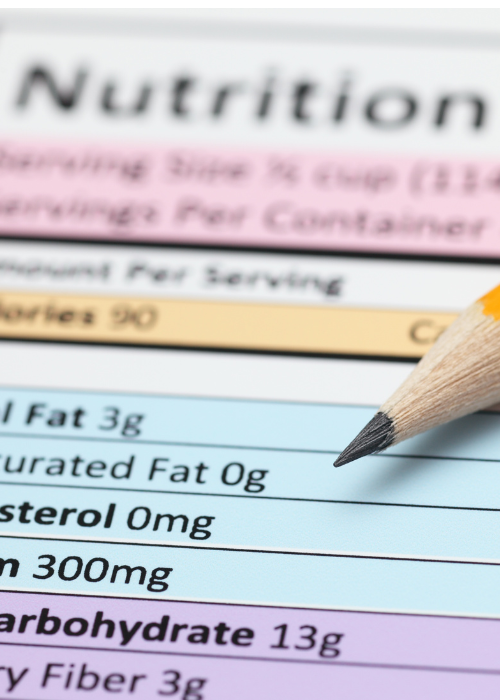
B. Reading Nutrition Labels
Nutrition labels can be a valuable tool in identifying nutrient-dense foods. They provide information on the amount of nutrients and calories a food product contains. Here’s how to use them:
- Check the serving size: This will help you understand the number of servings in the package and how the rest of the nutrition facts relate to those servings.
- Look at the calorie count: This gives you an idea of how much energy you’ll get from a serving of the food.
- Assess the nutrient content: Look for foods that are high in dietary fiber, protein, vitamins, and minerals, and low in sodium and saturated fat.
By understanding how to read and interpret nutrition labels, you can choose foods that offer the most nutrients for the least amount of calories.
C. Choose Whole, Unprocessed Foods
Whole, unprocessed foods are generally more nutrient-dense than processed foods. Processed foods often have added sugars, unhealthy fats, and sodium, which can contribute to various health issues when consumed in excess. On the other hand, whole foods are rich in essential nutrients and fiber, which are beneficial to your health.
- Opt for fresh fruits and vegetables over canned or pre-packaged versions.
- Choose whole grains like brown rice and oatmeal over refined grains like white rice and white bread.
- Select lean proteins like chicken, turkey, fish, beans, and nuts over processed meats like bacon and hot dogs.
Remember, the closer a food is to its natural state, the more nutrient-dense it will likely be.
In summary, prioritizing nutrient density is all about making smart food choices. By understanding the concept of nutrient density, learning how to read nutrition labels, and choosing whole, unprocessed foods, you can ensure your diet is packed with the nutrients your body needs to thrive. This will not only enhance your health but also significantly contribute to your wellness journey.
V. Tips to Increase Nutrient Density in Your Diet
Nutrient density is an essential concept in the realm of health and nutrition. It refers to the amount of beneficial nutrients a food provides per calorie. Foods high in nutrient density provide substantial amounts of vitamins, minerals, and other health-promoting components with relatively few calories. Here are a few tips that can help you prioritize nutrient density in your meal planning and everyday diet.
1. Choose Whole Foods Over Processed Foods
Whole foods, including fruits, vegetables, lean proteins, and whole grains, are naturally high in nutrient density. They provide a wealth of vitamins, minerals, and fiber that are often lacking in processed foods.
- Opt for whole fruits and vegetables rather than juice. Juice lacks the fiber found in whole produce and is often high in added sugars.
- Choose whole grains over refined grains. Whole grains contain all parts of the grain — the bran, germ, and endosperm. Foods made from these grains are rich in fiber, iron, magnesium, selenium, B vitamins, and many other nutrients.
- Avoid processed meats, which are often high in sodium and unhealthy fats. Instead, choose lean proteins like chicken, turkey, fish, and plant-based proteins such as beans and lentils.
Remember, the closer a food is to its natural state, the higher its nutrient density.
2. Include a Variety of Foods in Your Diet
Eating a wide variety of foods ensures that you get a broad spectrum of nutrients. Each food group offers different essential nutrients, so it’s important to include a mix in your diet.
- Incorporate different colored fruits and vegetables in your meals. The various colors represent different types of phytonutrients, each with their unique set of health benefits.
- Use a variety of protein sources, including fish, lean meats, poultry, eggs, legumes, and nuts. This variety ensures you get a mix of essential amino acids and other important nutrients.
- Rotate among different types of whole grains, such as wheat, rice, oats, barley, and quinoa, to get a wide range of nutrients.
3. Cook at Home More Often
Cooking at home allows you to control the ingredients and portion sizes. It also enables you to use fresh, whole foods and minimize the use of processed ingredients.
- Use healthy cooking methods like baking, grilling, steaming, or stir-frying to retain as much nutrient content as possible.
- Experiment with herbs and spices. Not only do they add flavor without adding calories, but many also boast health-promoting compounds.
- Try new recipes that feature whole, nutrient-dense foods. You might discover a new favorite dish while boosting your nutrient intake.
To increase the nutrient density of your diet, it’s important to focus on whole foods, incorporate a wide variety of foods, and cook at home as much as possible. By following these tips, you can ensure that every calorie you consume is packed with nutritional value, promoting optimal health and wellness.
VI. Common Misconceptions About Nutrient Density
Nutrient density is a concept that often gets overlooked in conversations about healthy eating. Yet, understanding and prioritizing nutrient density is a key to achieving optimal health. Unfortunately, there are several misconceptions about nutrient density that can lead to confusion and prevent people from making the best dietary choices. Let’s delve into these misconceptions and clarify what nutrient density really means.
### Misconception 1: All Calories are Equal
One common misconception about nutrient density is that all calories are created equal. This is simply not true. While calories provide a measure of energy, they do not tell the whole story of a food’s nutritional value.
For instance, a sugary soda and a handful of almonds might have similar calorie counts, but their nutrient profiles are vastly different. The soda provides empty calories with little to no nutritional value, while the almonds are packed with vitamins, minerals, fiber, and healthy fats. Thus, it’s important to look beyond calories and consider the nutrient density of foods.
Key points to remember:
Nutrient-dense foods provide more nutrition per calorie.
Empty-calorie foods may be high in calories but low in essential nutrients.
Misconception 2: Nutrient Density is Hard to Measure
Another misconception is that nutrient density is difficult to measure or understand. While it’s true that nutrient density can be a complex concept, it doesn’t have to be.
In simple terms, nutrient density refers to the amount of nutrients a food contains in relation to its calorie content. Foods that are high in nutrients and low in calories are considered nutrient-dense. These include foods like fruits, vegetables, lean proteins, whole grains, and healthy fats.
To gauge nutrient density, you can look at food labels to see the amounts of vitamins, minerals, fiber, and other nutrients a food provides. There are also online tools and apps that can help you track nutrient density.
Key points to remember:
Nutrient density can be measured by comparing a food’s nutrient content to its calorie content.
There are resources available to help you understand and track nutrient density.
Misconception 3: Nutrient-dense Foods are Expensive
The idea that nutrient-dense foods are always expensive is another common misconception. While it’s true that some nutrient-dense foods, like certain types of fish or organic produce, can be pricier, there are plenty of affordable options available.
Foods like beans, lentils, eggs, canned fish, frozen fruits and vegetables, and whole grains are all nutrient-dense and budget-friendly. Additionally, planning your meals, shopping sales, and buying in bulk can help make nutrient-dense eating more affordable.
Key points to remember:
There are many affordable nutrient-dense foods available.
Budget-savvy strategies can help make nutrient-dense eating more affordable.
In conclusion, prioritizing nutrient density can help you optimize your diet and improve your health. By understanding and debunking these common misconceptions, you can make more informed dietary choices and reap the benefits of nutrient-dense eating.
VII. Practical Ways to Prioritize Nutrient Density Every Day
Prioritizing nutrient density is the key to a healthy, balanced diet. Nutrient-dense foods are rich in vitamins, minerals, complex carbohydrates, lean protein, and healthy fats. They’re also low in calories, making them the ideal choice for maintaining a healthy weight and reducing the risk of chronic diseases. Here are some practical ways you can prioritize nutrient density in your daily diet.
1. Choosing Whole Foods over Processed Foods
Foregoing processed foods in favor of whole foods is one of the easiest ways to increase nutrient density. Whole foods are unrefined and unprocessed, meaning they retain all their natural nutrients. Processed foods, on the other hand, often have additives and are stripped of many beneficial nutrients. Start by:
Increasing your intake of fruits and vegetables: These are high in vitamins, minerals, and fiber but low in calories.
Opting for whole grains: Unlike refined grains, whole grains have all parts of the grain — the bran, germ, and endosperm. Foods made from these grains are rich in fiber, iron, and B vitamins.
Choosing lean proteins: Lean meats, poultry, fish, eggs, tofu, and legumes are excellent sources of high-quality protein.
2. Incorporating a Variety of Foods
No single food can provide all the nutrients your body needs. Thus, eating a variety of nutrient-dense foods across all food groups is crucial. Here’s how you can do that:
Rotate your vegetables: Aim to consume different colored vegetables each day. Each color represents different nutrient profiles.
Mix up your proteins: Try to include different sources of protein in your meals, such as fish, poultry, red meat, eggs, dairy, legumes, and plant-based proteins.
3. Mindful Eating and Portion Control
Being mindful of what and how much you eat is a practical way to prioritize nutrient density. This means being aware of what you’re eating and savoring each bite, which can help prevent overeating and ensure that you’re getting the right amounts of nutrients. Here are a few tips:
Use smaller plates and bowls: This can help control portion sizes and prevent overeating.
* Listen to your body: Eat when you’re hungry and stop when you’re satisfied. Learn to distinguish between physical hunger and emotional hunger.
Choosing nutrient-dense foods and adopting these practical strategies can make a big difference in your overall health and wellbeing. Remember, the goal isn’t perfection, but progress. Every small step towards a more nutrient-dense diet is a step towards better health.
Prioritizing nutrient-dense foods is not only vital for your health but also for your overall quality of life. It’s about making wise food choices that provide maximum nutritional benefits. Follow these simple, practical tips to prioritize nutrient density every day and enjoy a healthier, more balanced diet.
VIII. Challenges in Maintaining a Nutrient-dense Diet and How to Overcome Them
Eating a nutrient-dense diet is an excellent step towards achieving optimal health and wellness. However, many people find it challenging to consistently consume highly nutritious foods. Here, we will explore the common obstacles and provide practical solutions to help you prioritize nutrient density in your diet.
1. Understanding Nutrient Density
One of the main challenges individuals face is understanding what nutrient density even means. Simply put, nutrient density refers to the level of nutrients per calorie in a food. Foods that are high in nutrients but low in calories are considered nutrient-dense.
- Fruits and vegetables are prime examples as they are packed with vitamins, minerals, and fiber but are low in calories.
- Lean proteins, whole grains, and legumes also fall into this category, offering a wealth of nutrients without a high calorie count.
Educating yourself about nutrient density can empower you to make healthier choices. Use reputable health and nutrition resources online to learn more about the nutrient content of different foods.
2. Limited Access to Fresh, Nutrient-dense Foods
Another hurdle is the difficulty in accessing fresh, nutrient-dense foods. This could be due to geographic location, financial constraints, or lack of availability. However, there are ways to overcome these challenges:
- Look for local farmers’ markets. These often offer fresh produce at lower costs than grocery stores.
- Consider frozen fruits and vegetables. They can be just as nutritious as fresh counterparts, and they keep much longer.
- Plant a home garden. Even a small window box can yield fresh herbs and vegetables.
3. Time Constraints
Many people struggle to find time to prepare nutrient-dense meals. Fast food and processed meals are often seen as quicker, more convenient options. However, these options are typically low in nutrient density and high in calories, sugar, and unhealthy fats.
- Meal planning and prepping can be a game-changer. Dedicate a few hours each week to prepare meals and snacks for the days ahead.
- Keep healthy, nutrient-dense snacks on hand. These can include fresh fruits, nuts and seeds, yogurt, and hard-boiled eggs.
- Utilize slow cookers or instant pots. These appliances can make healthy cooking more convenient, as they allow for one-pot, hands-off meals.
Remember, the goal is not perfection but progress. Gradually incorporate more nutrient-dense foods into your diet and find what works best for your lifestyle. With a bit of knowledge and planning, you can overcome the challenges and reap the health benefits of a nutrient-dense diet.
IX. Conclusion: Prioritize Nutrient Density
As we wrap up our health and wellness journey, it is crucial to emphasize the importance of prioritizing nutrient density in our diet. The concept of nutrient density is relatively straightforward – it refers to the amount of nutrients (like vitamins, minerals, and fiber) you get for the calories consumed. Foods that are nutrient-dense are rich in vitamins, minerals, complex carbohydrates, lean protein, and healthy fats. Consuming these foods can lead to better health outcomes and improved overall wellness.
1. Understanding the Importance of Nutrient Density
Eating nutrient-dense foods is one of the most effective strategies for maintaining a healthy weight, preventing chronic diseases, and promoting overall health. Nutrient-dense foods contain an abundance of essential nutrients but relatively few calories. They are the opposite of “empty-calorie” foods (like sugary drinks and processed snacks), which are high in calories but low in nutrients.
Key Takeaways:
- Nutrient-dense foods provide the body with the essential nutrients it needs to function optimally.
- Consuming these foods can help you maintain a healthy weight and prevent chronic diseases.
- Nutrient density is the opposite of empty-calorie foods, which are high in calories but low in nutrients.
2. Incorporating Nutrient-Dense Foods into Your Diet
Incorporating nutrient-dense foods into your diet can be as simple as making small, strategic swaps and additions to your meals. Some examples of nutrient-dense foods include fruits and vegetables, whole grains, lean proteins (like fish, poultry, and legumes), nuts and seeds, and dairy products.
To incorporate these foods into your diet:
- Choose whole, unprocessed foods whenever possible.
- Swap refined grains for whole grains.
- Opt for lean proteins over processed meats.
- Include a variety of fruits and vegetables in your meals.
- Choose healthy fats, such as avocados and nuts, over trans and saturated fats.
3. The Role of Nutrient Density in Weight Management
Nutrient density plays a significant role in weight management, primarily because these foods are typically lower in calories yet keep you feeling satisfied and full. Foods that are high in fiber, protein, and healthy fats can help control hunger and reduce overall calorie intake.
Key points to remember:
- Nutrient-dense foods can help control hunger and keep you satisfied longer, aiding in weight management.
- These foods are often lower in calories, which can help prevent weight gain and promote weight loss.
- Prioritizing nutrient density can help you achieve a balanced diet and contribute to better health.
In conclusion, prioritizing nutrient density is an essential part of a balanced diet and a healthy lifestyle. By focusing on nutrient-dense foods, we can ensure that we are providing our bodies with the essential nutrients they need, while also managing our weight and preventing chronic diseases. It’s not just about eating less, but eating better. Let’s make every calorie count by choosing foods that offer the most nutritional bang for our buck.
Conclusion
In conclusion, focusing on nutrient density – the ratio of beneficial nutrients to the energy content in foods – is a fundamental principle for optimal health and wellbeing. A nutrient-dense diet, laden with whole foods like fruits, vegetables, lean proteins, healthy fats, and whole grains, provides a plethora of essential vitamins, minerals, and antioxidants. These nutrients not only fuel our bodies but also support numerous bodily functions, including immune health, energy production, and disease prevention.
Prioritizing nutrient-dense foods is also a powerful tool for weight management. These foods tend to be low in calories but high in volume, helping you stay full and satisfied without overconsumption. Moreover, they can help to ensure that all your nutritional needs are met, even when you are consuming fewer calories for weight loss.
Remember, the key is to choose quality, not just quantity, in your food selections. By prioritizing nutrient-dense foods, you can boost your health, manage your weight, and derive the most nutritional benefit from your diet. It’s a simple change, but one with profound effects on your overall health.